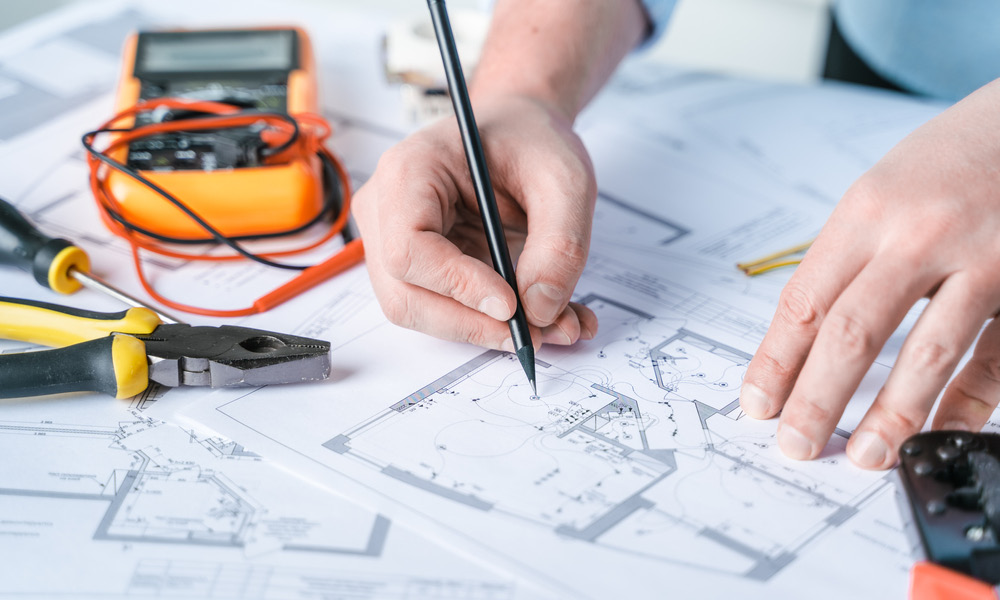
When embarking on the exciting journey of building your dream home, there are numerous factors to consider, from architectural design to plumbing systems. However, one aspect that often gets overlooked, but is of utmost importance, is the electrical system. Electrical drawings play a pivotal role in ensuring the smooth and efficient functioning of your home’s electrical infrastructure. In this article, we will delve into the significance of electrical drawings in home construction and highlight why they are indispensable for a safe and well-designed living space.
1. Precision and Planning:
Electrical drawings provide a detailed visual representation of the electrical layout of your home. They depict the placement of electrical components such as outlets, switches, lighting fixtures, circuit breakers, and wiring pathways. These drawings enable precise planning and coordination between architects, contractors, and electricians. They ensure that electrical systems are seamlessly integrated into the overall design, preventing conflicts with other building elements and reducing the need for costly modifications later on.
2. Compliance with Building Codes and Regulations:
Electrical codes and regulations exist to ensure the safety of occupants and prevent electrical hazards. Electrical drawings serve as a blueprint for complying with these codes. They outline the appropriate wire sizes, circuit configurations, grounding requirements, and placement of safety devices. By adhering to these guidelines, electrical drawings facilitate the approval process from local authorities, ensuring that your home meets the necessary safety standards.

3. Efficient Power Distribution:
A well-designed electrical drawing ensures an efficient distribution of power throughout your home. It helps determine the appropriate placement and capacity of electrical panels, ensuring that the electrical load is balanced across circuits. By properly allocating electrical outlets and switches, electrical drawings prevent overloading and ensure that power is readily available where it is needed. This contributes to a stable and reliable electrical system, reducing the risk of power outages and electrical malfunctions.
4. Future-Proofing and Flexibility:
Electrical drawings allow for future expansion and modifications to the electrical system. They provide an overview of the existing infrastructure, making it easier to identify potential areas for expansion. Whether you plan to add new rooms, install additional appliances, or integrate smart home technology, electrical drawings serve as a reference for making informed decisions. They enable electricians to make adjustments and additions with minimal disruption, saving time and costs in the long run.
5. Collaboration and Communication:
Clear and accurate electrical drawings foster effective communication between the various professionals involved in the construction process. Architects, contractors, electricians, and other stakeholders can refer to these drawings to discuss electrical plans, identify potential issues, and propose solutions. This collaborative approach ensures that everyone is on the same page, minimizes misunderstandings, and helps avoid costly rework due to misinterpretation.
Conclusion:
Electrical drawings are an indispensable component of home construction, ensuring a safe, efficient, and reliable electrical system. They provide a visual roadmap for planning, coordination, compliance with building codes, and future expansion. By incorporating electrical drawings into your construction project, you can lay the foundation for a well-designed, technologically advanced, and future-proof home. Remember, investing in quality electrical drawings is not just about functionality but also about safeguarding the well-being of your loved ones and enhancing your living experience.